Game · 2021
Unity Prototypes
Four complete game prototypes across four genres (a top-down racer, a colony sim, a match-3 combat puzzle, and a 2D platformer), each scoped, built, and shipped in roughly five days. A demonstration of genre-agnostic prototyping speed.
This is a single portfolio entry built from four separate Unity (C#) prototypes, each produced in about five days. The point of the collection is not any individual game, it's the demonstration that I can drop into an unfamiliar genre, identify its core loop, and have something playable within a working week.
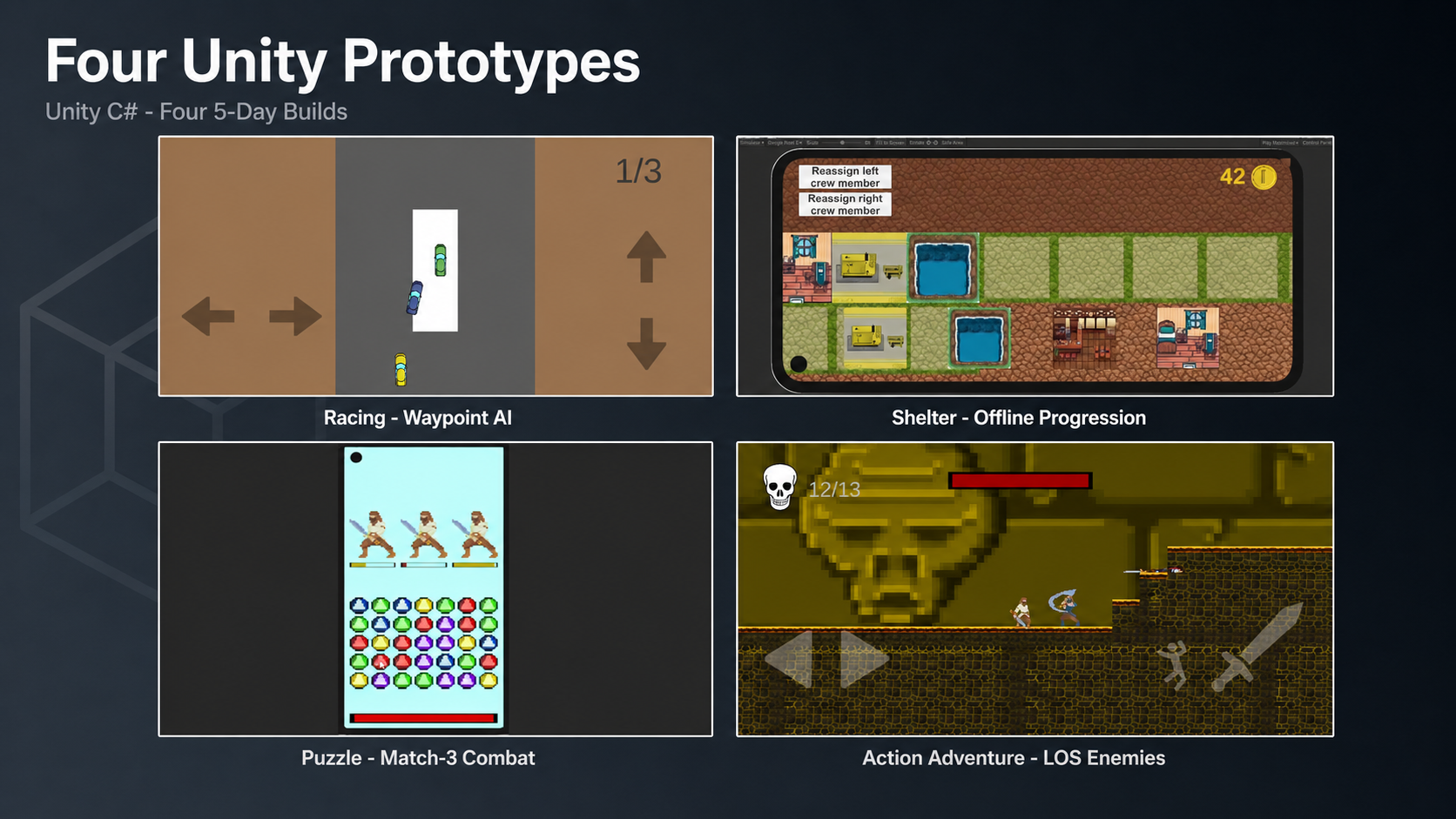
Racing is a 2D top-down racer where three AI opponents navigate the track via per-car waypoint destination points, each carrying its own tuned maxSpeed and accelerationRate so opponents genuinely feel different from one another. It has checkpoint-gated lap validation, mud patches that scale the player's speed down, timed speed-boost pads built on swappable coroutines, a persistent leaderboard, and PlayerPrefs-backed speed and acceleration upgrades on a rising price curve. Three-starring a level requires winning it three times.
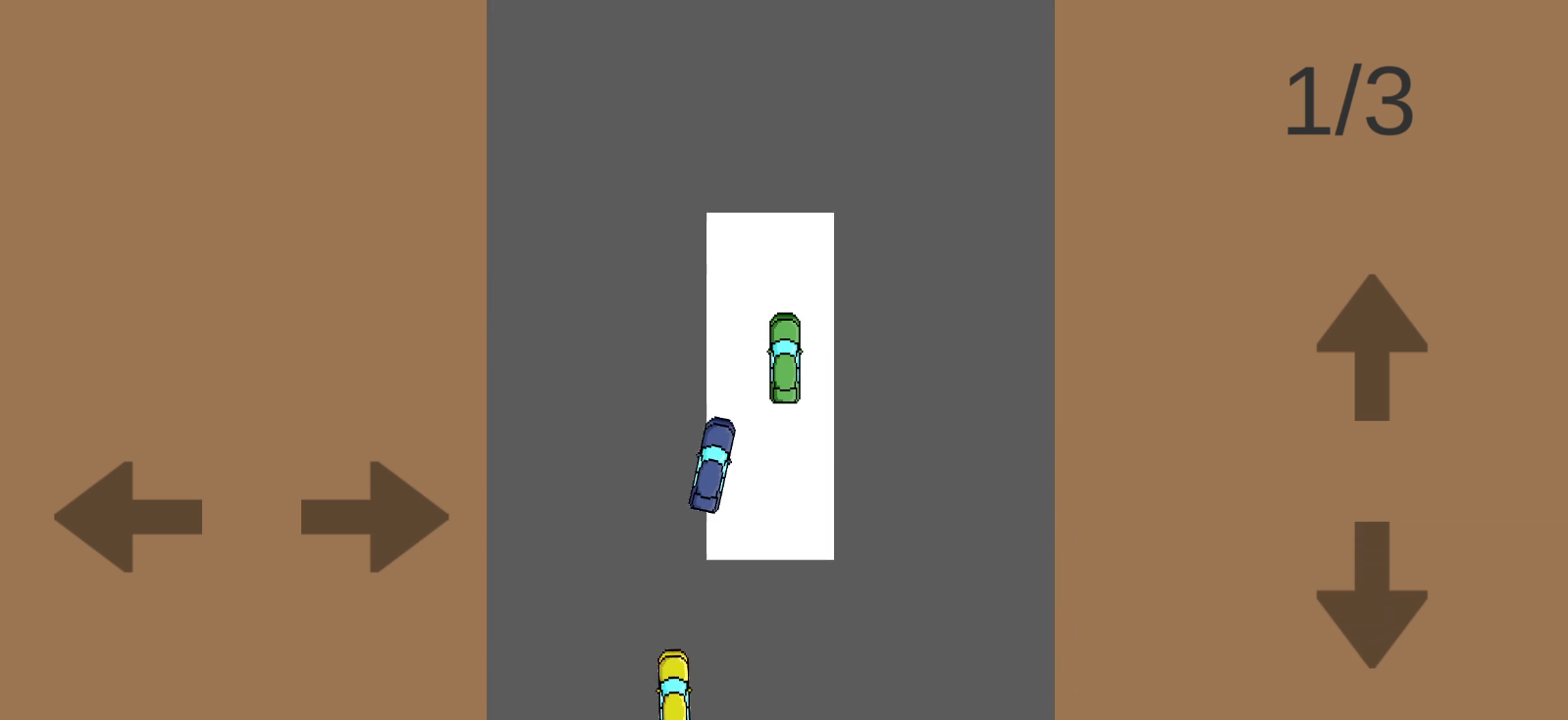
Shelter is a stripped-down colony sim in the spirit of Fallout Shelter. The player assigns crew to water, food, electricity, and mating rooms; pairing a male and a female crew member produces a child who grows over time and eventually becomes assignable. Its standout feature is real-time offline progression. When the game closes, the shutdown time is stamped via Unix-epoch UTC, and on relaunch the elapsed minutes are replayed against the production and consumption rates so resources are consumed, produced, and children aged as if the game had been running the whole time. The world is a Unity Tilemap, and the full game state serializes through PlayerPrefsX string arrays.
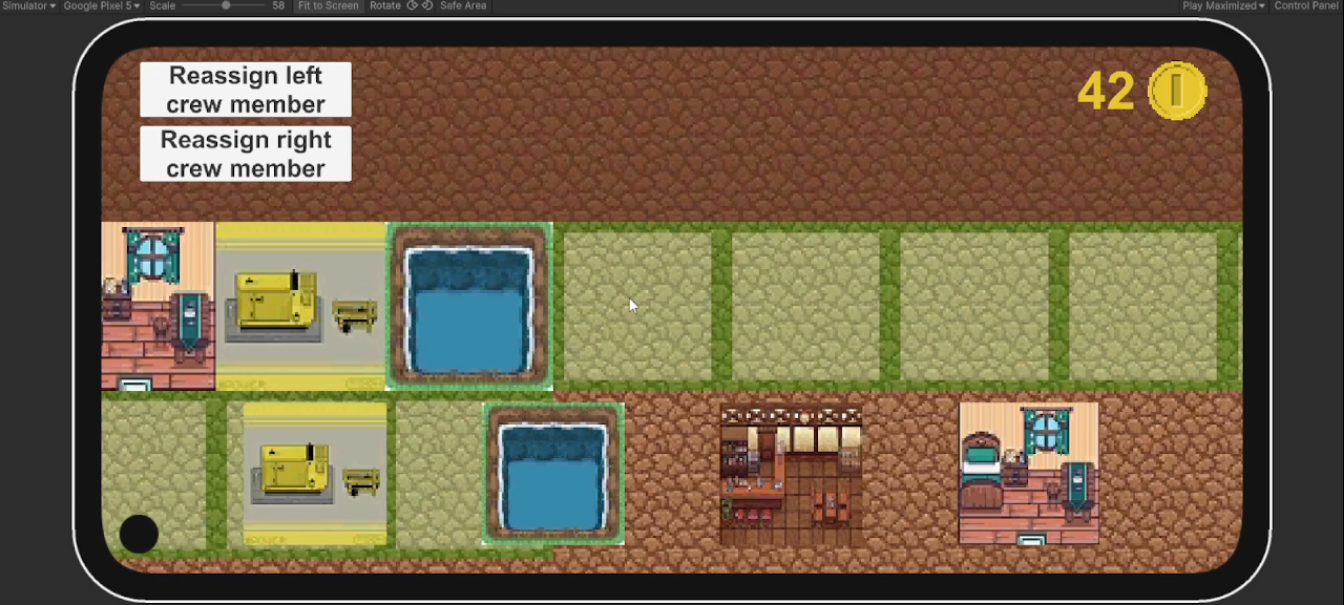
Puzzle reframes match-3 as a combat system. The player matches colored gems beneath three enemies to deal damage, but a per-enemy strong/weak color matrix means the right gem color against the right health-bar color deals double damage while the wrong one deals half. Column ranges map matches to specific enemies.
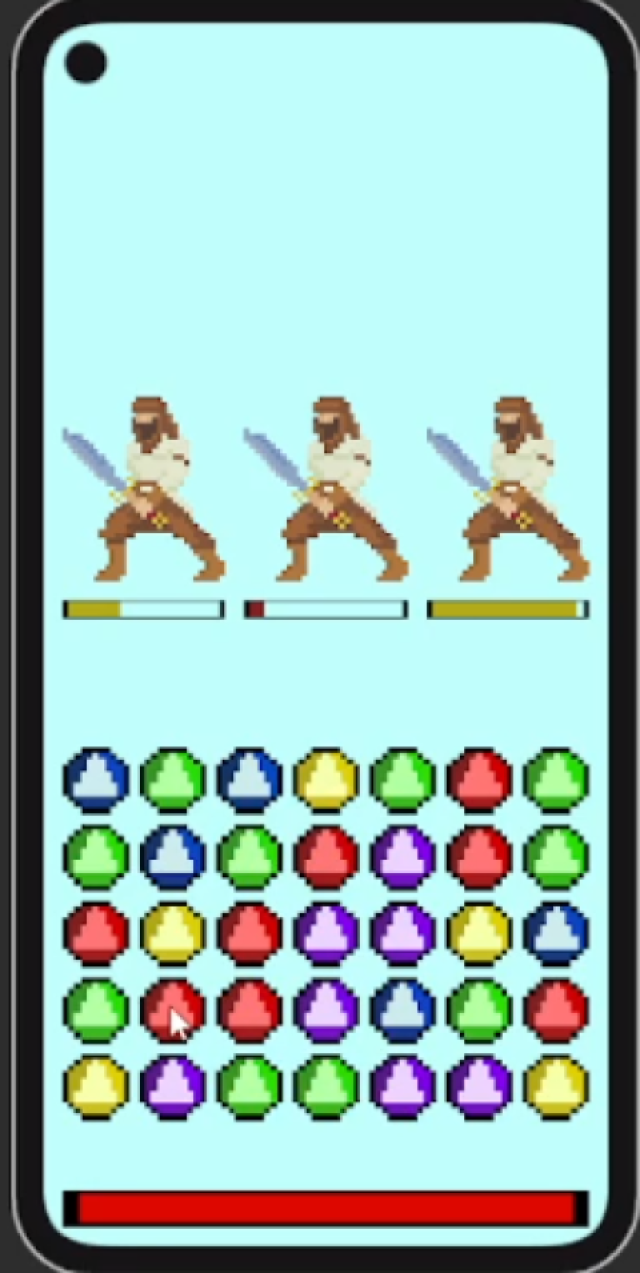
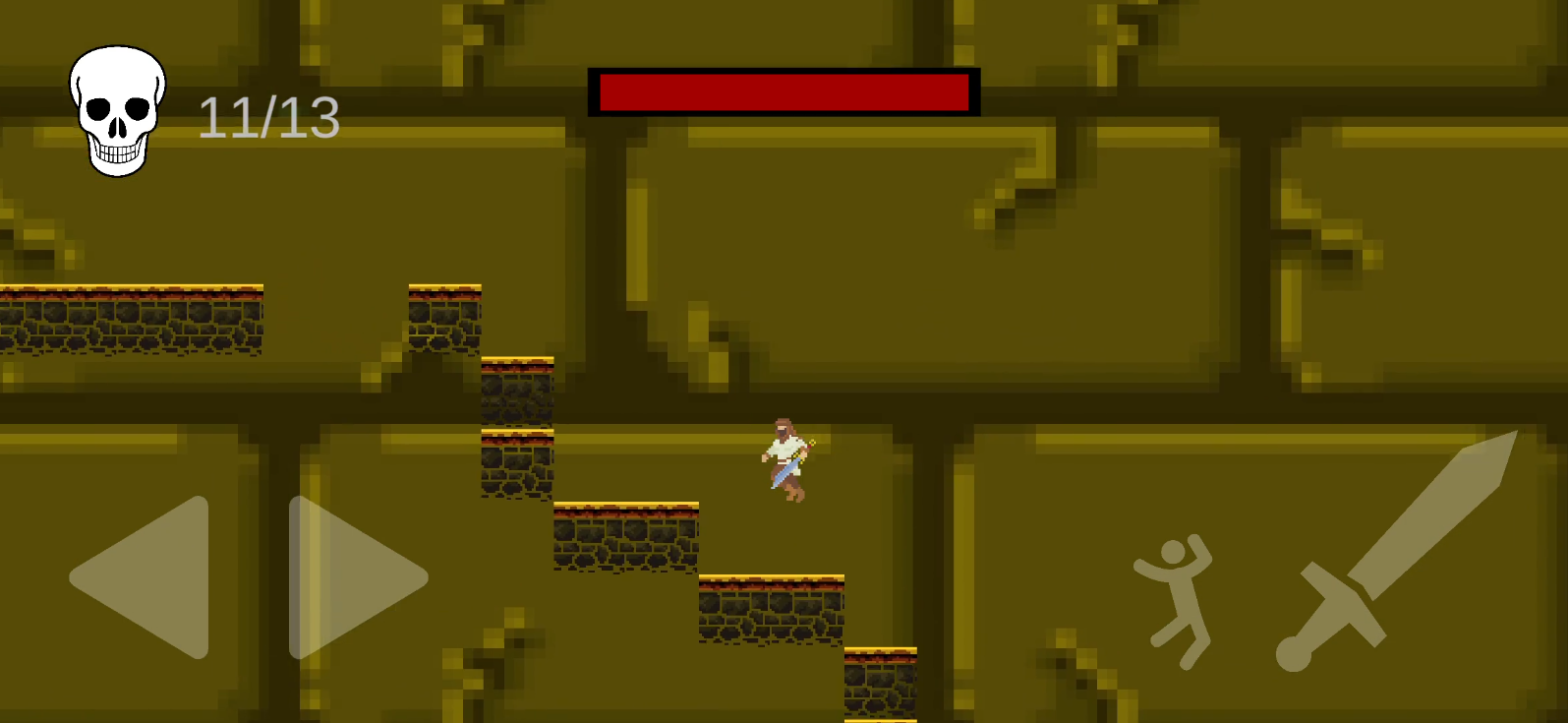
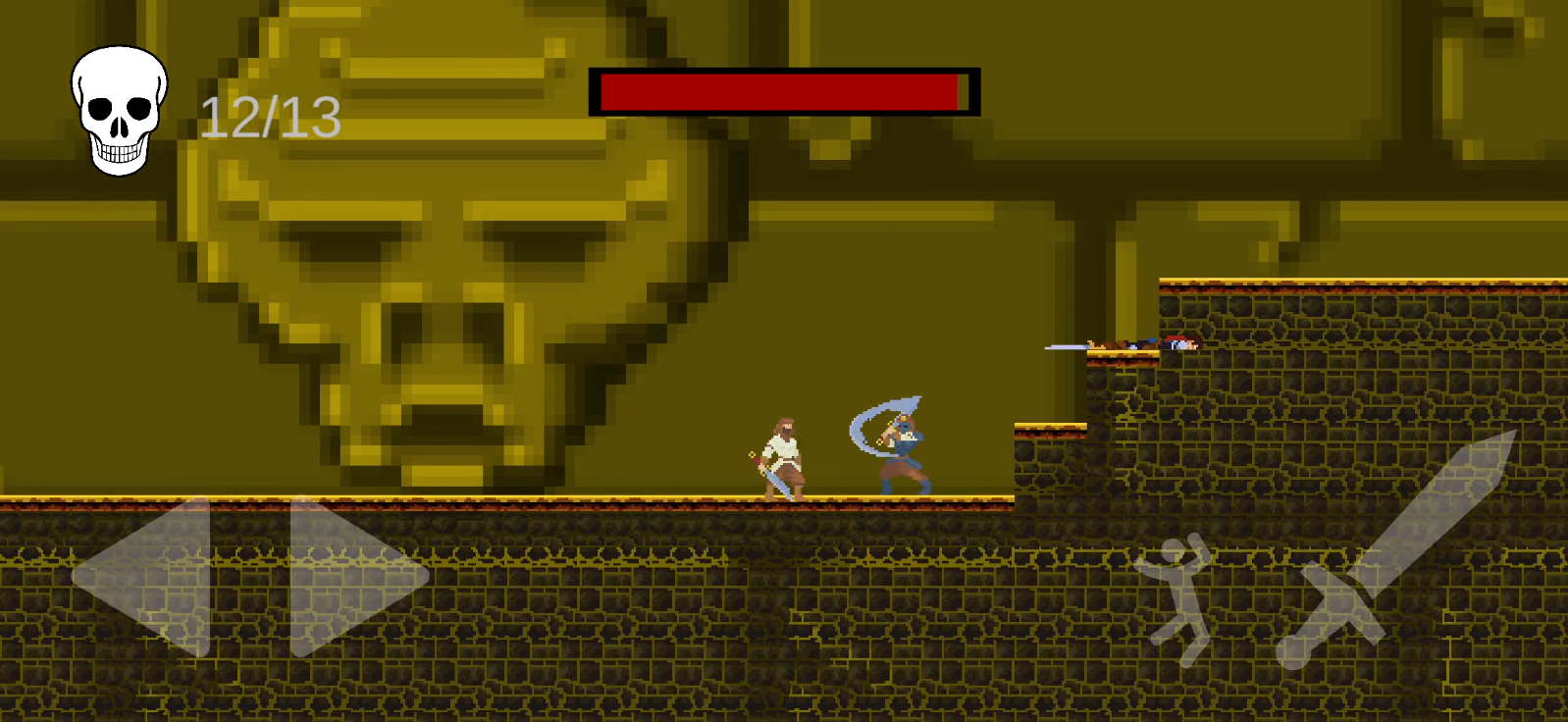
Action Adventure is a 2D platformer with two enemy types that detect and chase the player on line of sight, attacking on a cooldown with a cancel-on-hit window. It has spikes, lava, collectible stars, and upgrades that raise attack damage and attack range, with the attack cooldown scaling off the total number of upgrades purchased.
What ties them together is repeatability: four distinct core loops, each readable and each working, produced at a one-per-week pace. For a client deciding whether to commission a longer build, that cadence is the most useful signal a prototype collection can give.
Key challenges
Offline progression in Shelter without a server. Simulating time the player wasn't present is deceptively hard. You can't just multiply elapsed time by a rate, because production is gated by consumption (a room with no power produces nothing) and children cross age thresholds mid-interval. The solution was to stamp shutdown time in Unix-epoch UTC and replay the elapsed window against the production/consumption model on relaunch, rather than trying to store derived state.
Making three AI racers feel distinct with one codebase. Rather than authoring separate behaviors, each opponent shares one waypoint-navigation script but carries individually tuned maxSpeed and accelerationRate values, so personality emerges from parameters rather than logic branches.
Scoping discipline under a five-day clock. The real challenge across all four was deciding what to cut. Each prototype had to reach "core loop fully playable" before time ran out, which meant ruthlessly deferring polish, art, and edge cases, a different skill from building a finished game.